Community-driven Oversight Methods and Patterns for Agentic Systems
Sustainability
Agentic AI systems are made of autonomous, model-driven agents that
perceive their environment, plan, use tools and memory, and act
toward goals delegated by humans, often collaborating with other
agents. Engineering them is difficult because their behavior is
probabilistic rather than fully specified, their actions can carry
legal, financial, or physical consequences, and the specialists
involved describe the same system in incompatible vocabularies, so
human oversight and trust are often added too late.
A pattern is a proven solution to a recurring design problem,
written in human-readable form, and a pattern language connects
patterns so they can be combined to design whole systems. Patterns
give engineers, designers, AI specialists, and governance experts a
common vocabulary, capture design rationale, and make solutions
reusable.
COMPASS is developed by the community, for the community of Agentic
AI systems engineers, and organizes patterns into six classes:
architectural, interaction, workflow genre, cognitive, memory, and
governance. Every pattern keeps humans in control, informed, and
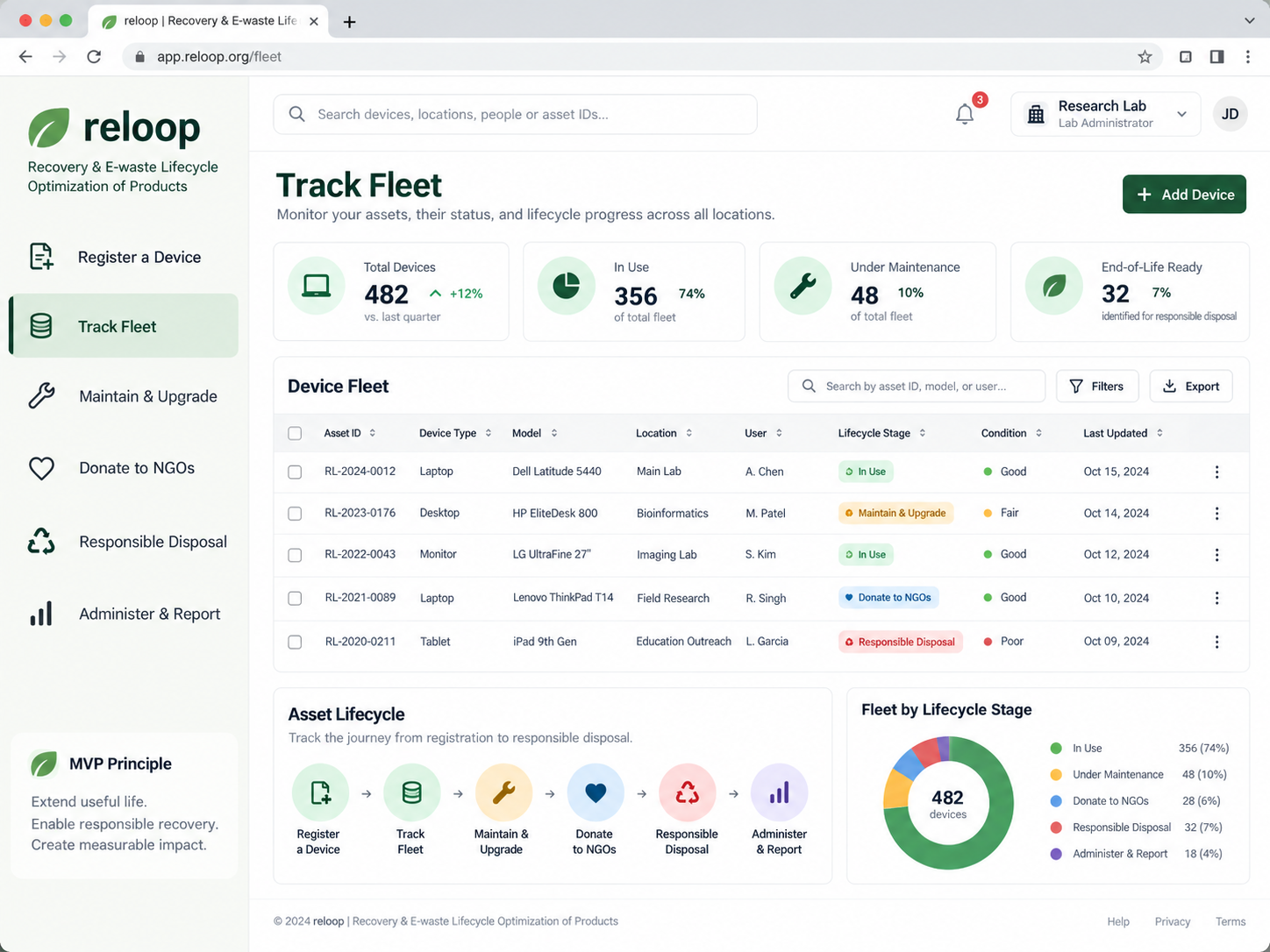
accountable. It originated in the ReLoop project, an agentic system
for reducing e-waste, as well as in other projects.
Whether you are building multi-agent workflows, designing
interfaces, or defining oversight policies, you can browse, apply,
and contribute patterns. Together, we keep the language open,
evidence-based, and evolving, so human oversight is built in from
the start rather than added later.